Why the entry point matters
A roost can leave droppings, odor, and staining. Droppings may also attract insects. Sealing an opening while bats are still inside can trap them in the structure, so exclusion needs a deliberate plan.
Learn common signs of activity, how wildlife can affect a home, and practical ways to reduce access and attractants.
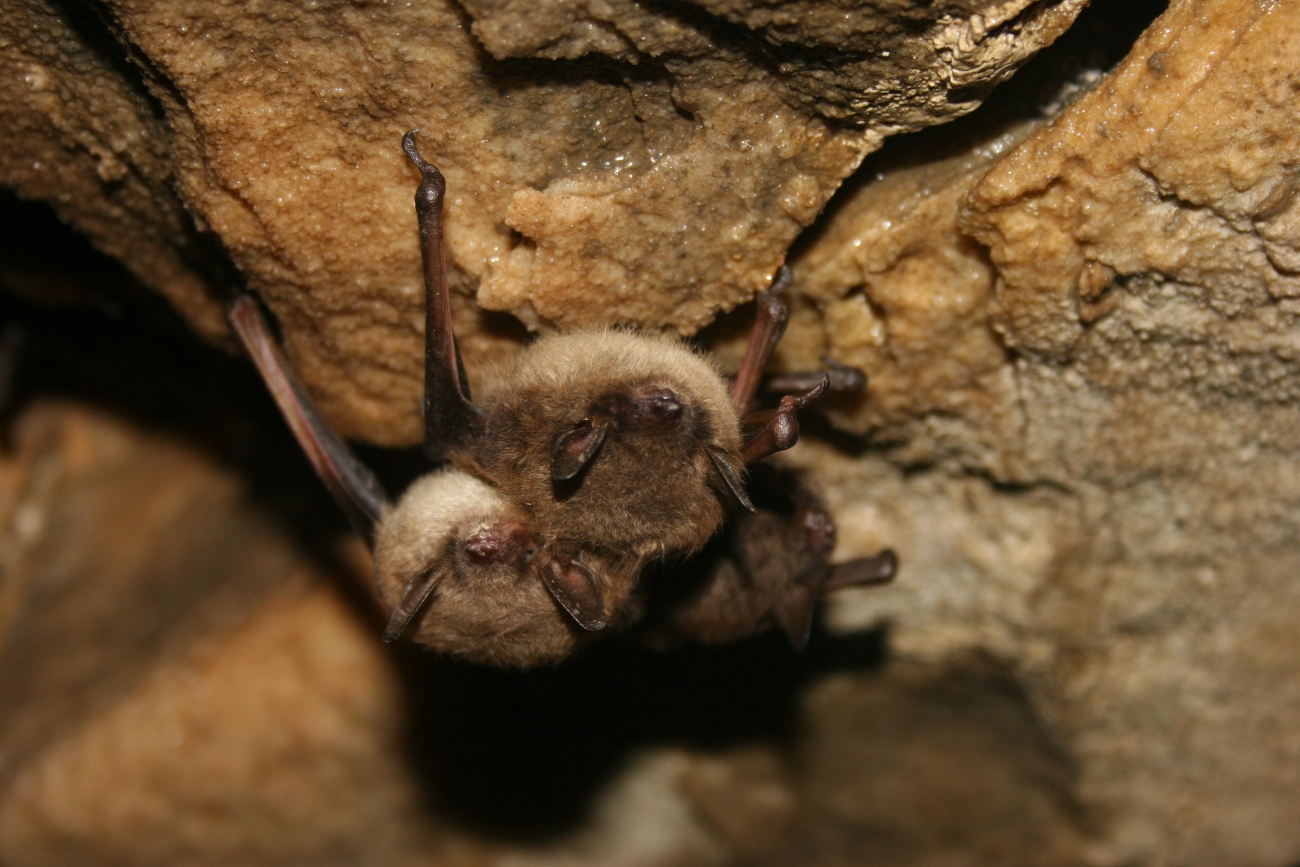
Alabama’s night flyers
Alabama’s native bats are insect-eaters. Some roost in buildings, and small gaps around rooflines, vents, or other joints can give them access.
A roost can leave droppings, odor, and staining. Droppings may also attract insects. Sealing an opening while bats are still inside can trap them in the structure, so exclusion needs a deliberate plan.
Alabama Cooperative Extension advises bat exclusion only outside the pupping season, which it describes as April through August. The purpose is to avoid leaving young bats in the roost when adults leave. Timing for a specific property should be confirmed before work is scheduled.
Read Alabama Extension’s bat guidance ↗A careful assessment can check accessible attic areas and the outside roofline for signs, damage, and small gaps near soffits, vents, gutters, or roof joints. Photos help show what was found and what work was completed. When conditions and timing allow, one-way exits let bats leave before remaining openings are sealed. Accessible guano cleanup may also be part of the plan, depending on the amount and site conditions.
Avoid disturbing droppings or dusty nesting material. Bat or bird droppings can be associated with fungi that cause illness if spores are inhaled. CDC histoplasmosis prevention guidance ↗
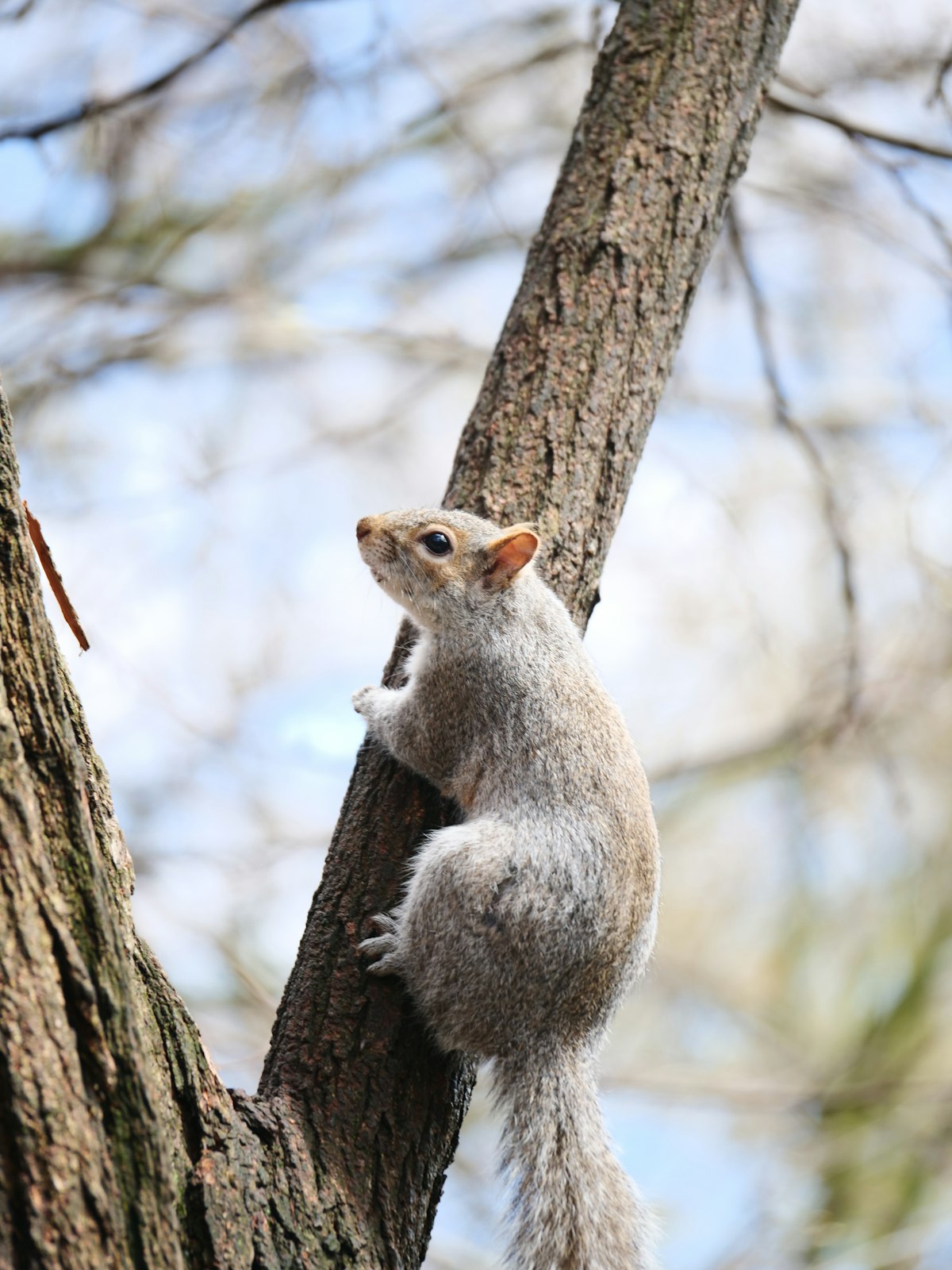
At home in the treetops
Squirrels climb trees and buildings with ease. An opening at a soffit, fascia, vent, or roof edge can become a route into an attic or other sheltered space.
Squirrels may chew wood and wiring while opening a route or building a nest. Once inside, nesting material and animal waste can affect insulation and leave cleanup work. Food sources such as bird seed, pet food, or open garbage can make a yard more attractive.
A one-way device lets squirrels exit the structure but blocks re-entry. Once the animals are out, sealing the opening helps prevent another visit. Photos of the damage and finished work make hard-to-reach attic and roof areas easier to review.
Wildlife may use sheltered spaces around a house, outbuilding, or yard. These clues can help describe the issue; an on-site assessment determines what is happening and the appropriate next step.
May shelter under decks, sheds, porches, or other quiet spaces. Look for repeated activity near a sheltered opening or signs of disturbance around a den site.
Prevention: Keep food waste secured and close off access beneath structures after confirming animals are out.
Some birds build nests in sheltered ledges, vents, or roof openings. Nesting material, calls, or frequent trips to one gap can point to activity.
Prevention: Don’t disturb a nest; the right response depends on the species, timing, and location.
May den in a quiet sheltered space beneath a porch, shed, or deck. Repeated activity near a low opening can indicate a den.
Prevention: Keep distance and avoid blocking an opening until it has been checked for animals.
Share what you’re seeing and your town or county. Call to ask about surrounding counties.
The approach is poison-free and pain-free; animals are guided out and never harmed. An on-site assessment for a quote is paid. If you hire Morrison’s Wildlife, the assessment charge is credited toward the overall service charge; the cost is discussed before scheduling.
Ask about an assessment