Morrison's Wildlife, LLC blue squirrel logo
Humane wildlife services

Wildlife belongs outdoors. We help it get there safely.

When wildlife gets into your home, a careful plan can protect your family, your property, and the animals. The process is poison-free and pain-free: animals are guided out and never harmed. Sealing and damage documentation help reduce repeat visits.

Have a question? Contact us and tell us what you’re seeing.

Wildlife guide

Wildlife around the home

Explore the bat and squirrel guides, plus a quick look at other animals Morrison’s Wildlife serves.

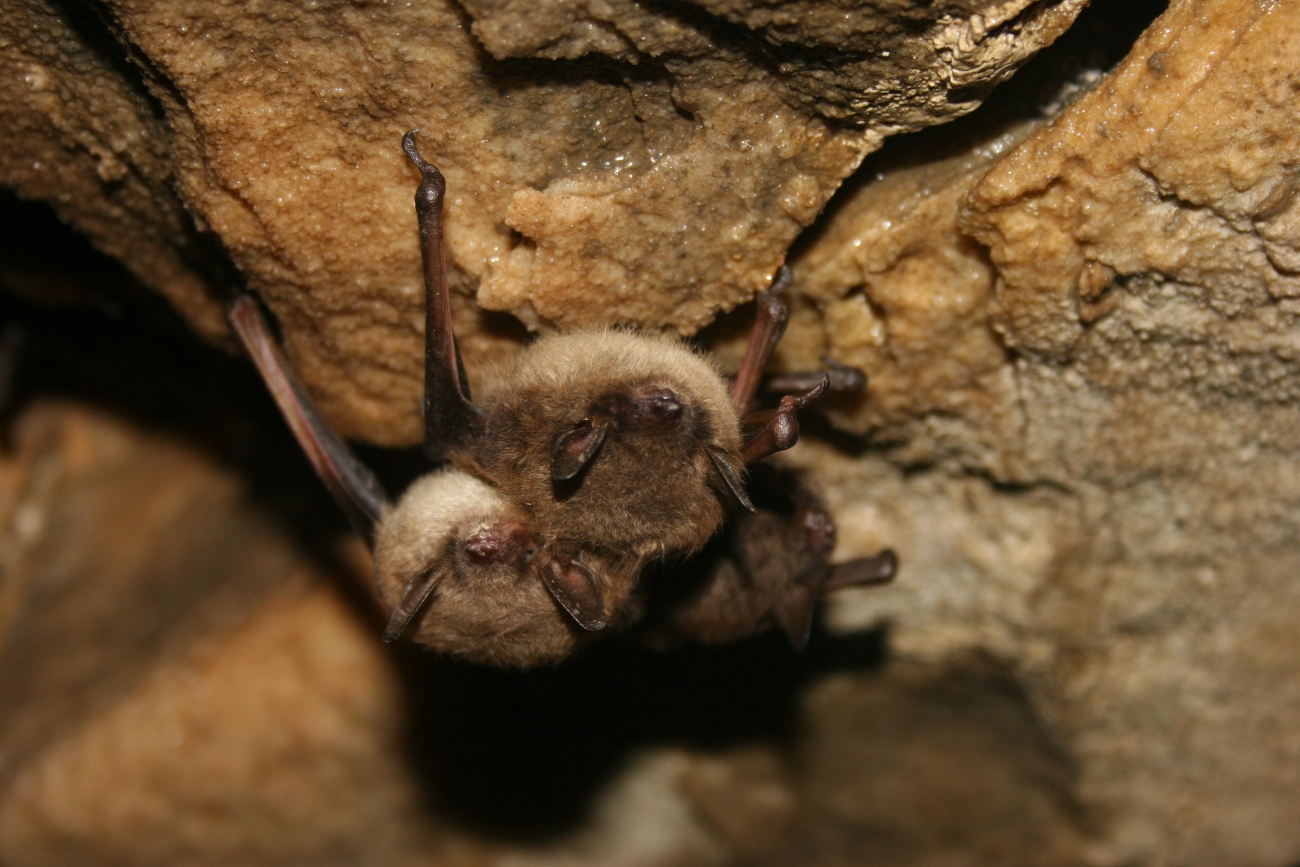
A group of little brown bats roosting together
Little brown bats · USFWS / Ann Froschauer

Bats in a building

Bats may roost in attics, roof spaces, or wall voids, entering through small gaps near rooflines and vents. Droppings, staining, or repeated dusk activity near one opening can be signs of a roost.

Why address it?

A long-standing roost can leave droppings, odor, and staining behind. Alabama Extension advises bat exclusion only outside the pupping season (April through August), when young can safely leave with the adults. Never seal an active entry point before the animals are out.
Explore the bat guide
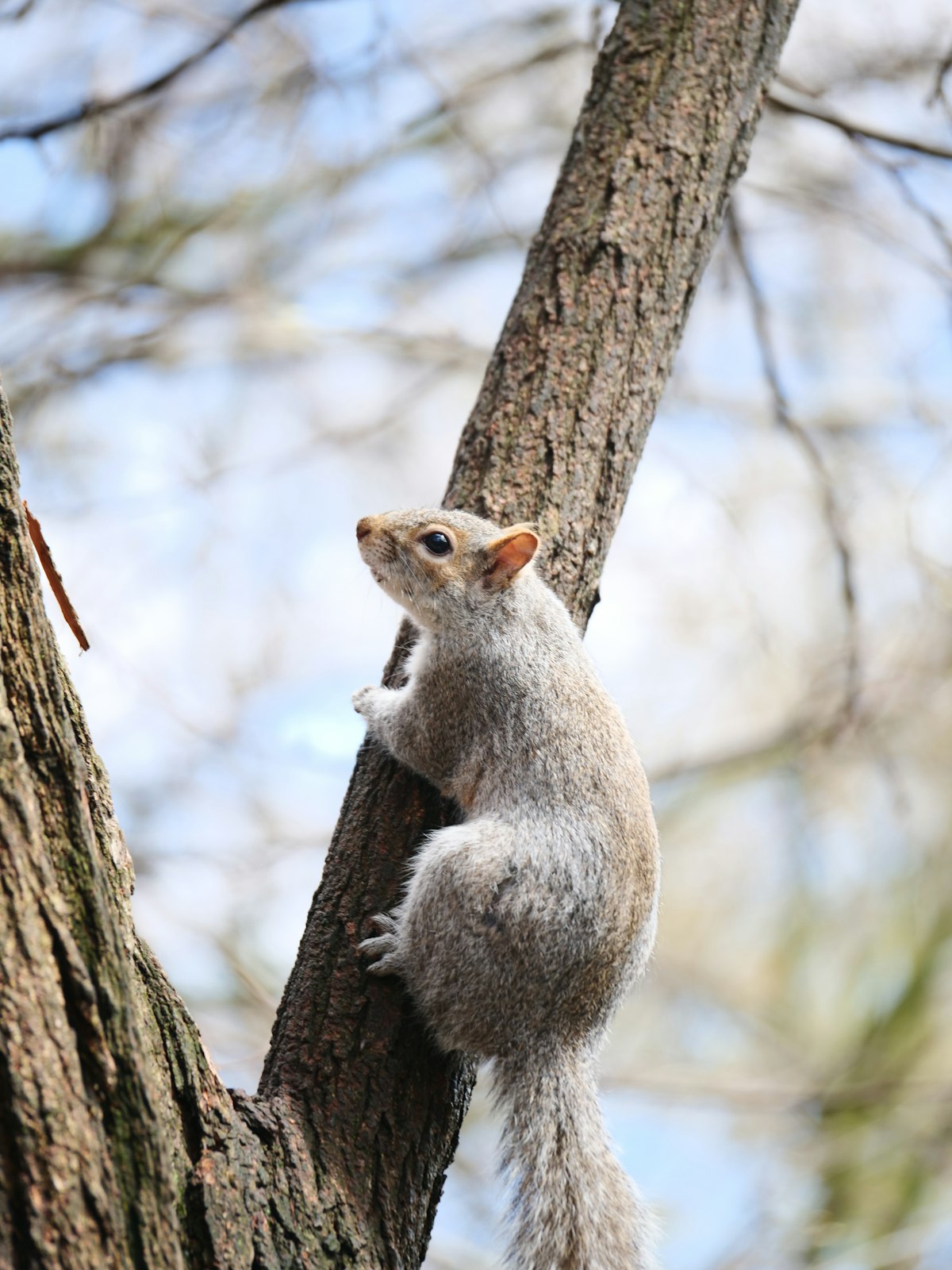
A gray squirrel climbing a tree trunk
Gray squirrel · Rafael Garcin / Unsplash

Squirrels in an attic

Scratching or scurrying sounds, nesting material, and activity around the roof may point to squirrels. They can use overhanging branches and small openings around soffits, fascia, or vents to get inside.

Why address it?

Chewing and nesting can damage wood, insulation, and wiring. Bird seed, pet food, accessible garbage, and dense branches close to the roof can make a property more inviting. One-way exclusion lets squirrels leave before the opening is sealed.

Explore the squirrel guide
Also serving

Opossums · Birds · Skunks

See all wildlife services →
Clear next steps

A careful approach, from inspection to prevention

Every property is different. The plan should fit the animal, the building, and the situation, with photos that make hard-to-see work easier to understand.

STEP 01

Inspect & identify

Look for signs of activity, likely entry points, and any conditions that may be attracting wildlife.

STEP 02

Plan one-way exclusion

A one-way door allows bats or squirrels to leave but blocks their return. Bat work must be scheduled outside the pupping season so young are not left behind.

STEP 03

Seal, clean & show the work

Once animals are out, seal the access points and address damage. Photos of the problem and completed work help you see areas that may be difficult to reach.

A clear view of the work

See what’s happening, even in the attic.

Rooflines and attic spaces are hard to inspect yourself. Photos taken during the job can show the entry point, any animal-related damage, and the finished exclusion and repairs.

01 / BEFOREEntry points & damageDocumented during inspection
02 / AFTERExclusion & completed workDocumented when the job is done
Protect your home

Close the door on repeat visits

Prevention starts with finding how wildlife got in. Once the situation is assessed, repairs and practical changes can make your home less accessible and less appealing.

Ask about prevention

Common places to check

  • ✓Roof edges, soffits, and fascia
  • ✓Vents, eaves, and loose screens
  • ✓Gaps around pipes and utility lines
  • ✓Branches touching or overhanging the roof
  • ✓Bird seed, pet food, and open garbage
  • ✓Attic insulation and signs of nesting

The right repair depends on the animal and the opening. Confirm that animals are out before sealing an entry point.

ALABAMA SERVICE AREA

Serving nine Alabama counties

Etowah, Marshall, Blount, Madison, Jefferson, Shelby, Calhoun, St. Clair, and Cullman counties. Call to ask about surrounding counties.

Call about coverage
Core service area Etowah · Marshall · Blount · Madison · Jefferson · Shelby · Calhoun · St. Clair · Cullman Surrounding counties by phone confirmation Call to check coverage →
Humane wildlife exclusion

Let’s figure out what’s happening.

Describe the sounds, signs, or area of your home where you’ve noticed activity. We’ll help you understand the next step.

On-site assessments for quotes are paid. If you hire Morrison’s Wildlife, the assessment charge is credited toward the overall service charge. The cost is discussed before scheduling.

Contact the wildlife team